Checkout our work

Parkar




Back
Back
Back
Build faster. Launch without a queue. Give your marketing team control they actually have.
You submitted the landing page brief three weeks ago. The campaign is ready. The budget is live. But you're still waiting on a developer who's in a sprint cycle that doesn't care about your launch date
That's not a people problem. It's a platform problem.
Managing a modern B2B website has quietly become one of the hardest operational challenges in marketing. Campaigns need pages fast. Sales wants dedicated landing pages for every vertical. Content is publishing more than ever. Leadership expects the website to drive pipeline not just exist.
Most traditional platforms weren't built for this pace.
Simple updates need developer involvement. New pages take two sprints instead of two days. Scaling the website gets harder the more the business grows. And somewhere in that gap, your competitor launched three campaigns while you were waiting on a ticket.
This is the core reason B2B companies are migrating to Webflow. Not because it's a better-looking CMS. Because the alternative is an execution bottleneck dressed up as a website.
Most B2B websites don't fail suddenly. They slowly become harder to manage as the business grows.
What starts as a clean marketing siu1te gradually becomes a layered mess campaign pages stacked on top of each other, integrations duct-taped together, a CMS no one fully understands. The site that launched your Series A starts holding back your Series B.
Over time, the cracks become impossible to ignore. Marketing can't ship updates without filing a request. SEO fixes sit in a backlog for weeks. Developers become the bottleneck for button colour changes. Content gets duplicated or goes stale. And performance quietly degrades under the weight of everything you've added.
The website stops being an asset. It becomes a liability.
Marketing and development run on different clocks. Dev sprints are two weeks. Campaign windows are 48 hours.
Webflow puts the marketer in the driver's seat. New landing pages, A/B test variants, campaign banners built and published without a ticket, a queue, or a favour called in.
The teams we've worked with didn't need more developers. They needed to stop waiting on the ones they had.
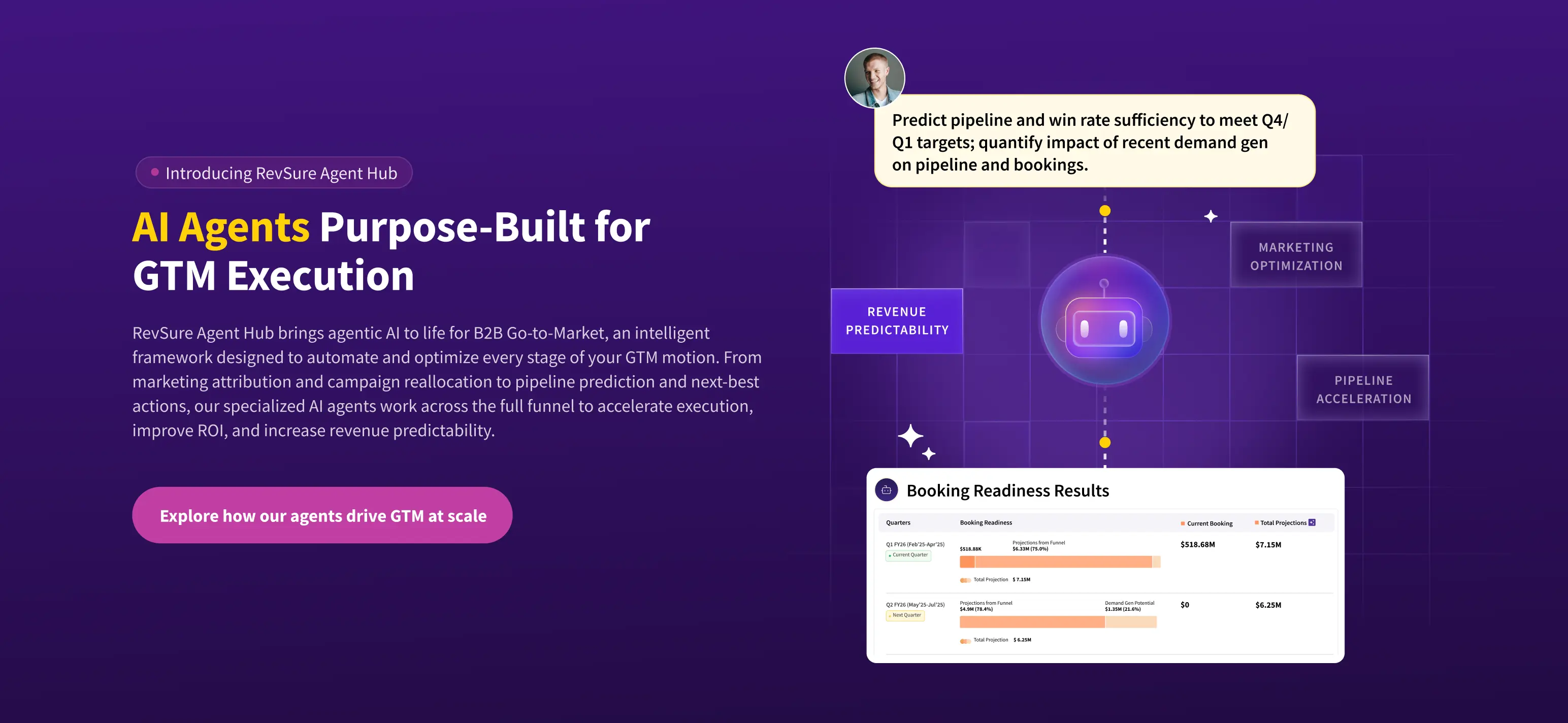
Traditional platforms force teams into templates. Push them too far and you get inconsistency. Pages that look like they belong to three different companies.
Webflow gives you full visual control inside a structured design system. The result is a site that looks intentional at launch and still looks intentional two years later when you've added fifty pages to it.
Slow websites don't just frustrate users. They lose deals.
A prospect evaluating three vendors will trust the one whose website loads cleanly and moves smoothly. Webflow's infrastructure, clean build structure, and strong Core Web Vitals mean pages load fast and fast pages convert better. That's not a design opinion. That's measurable.
Most CMS platforms were built for content editors, not marketing teams. They don't accommodate the variety of content types a B2B company needs blogs, case studies, landing pages, resource libraries, changelog entries.
Webflow's CMS lets you structure content to match how the business actually works. Collections are flexible. Editors don't need developer help to publish. And scaling content doesn't mean scaling complexity.
Every B2B company hits the same wall: the website needs a full rebuild because it wasn't built to scale.
Webflow's component-based architecture prevents that. New sections, pages, and campaign templates are added using the same system that built the original site. You grow without breaking what's already working.
A Webflow migration isn't a lift-and-shift. It's a rebuild of how your website is planned, structured, and scaled done right so you don't have to do it again in 18 months.
The objective isn't to replicate what you had. It's to replace it with something that actually works for the team running it.
Every migration starts with a forensic look at the current site structure, user journeys, SEO performance, CMS constraints, and where the real bottlenecks are. Most clients are surprised by what this audit surfaces. Pages that quietly lost rankings. Redirect chains that have been broken for months. Content that was duplicated three times, with no one noticing.
You can't build the right thing without understanding what went wrong with the last thing.
The site structure is then rebuilt with intent. Navigation, page hierarchy, content grouping redesigned to reflect how users actually move through a B2B website, not how the old platform organised its folders.
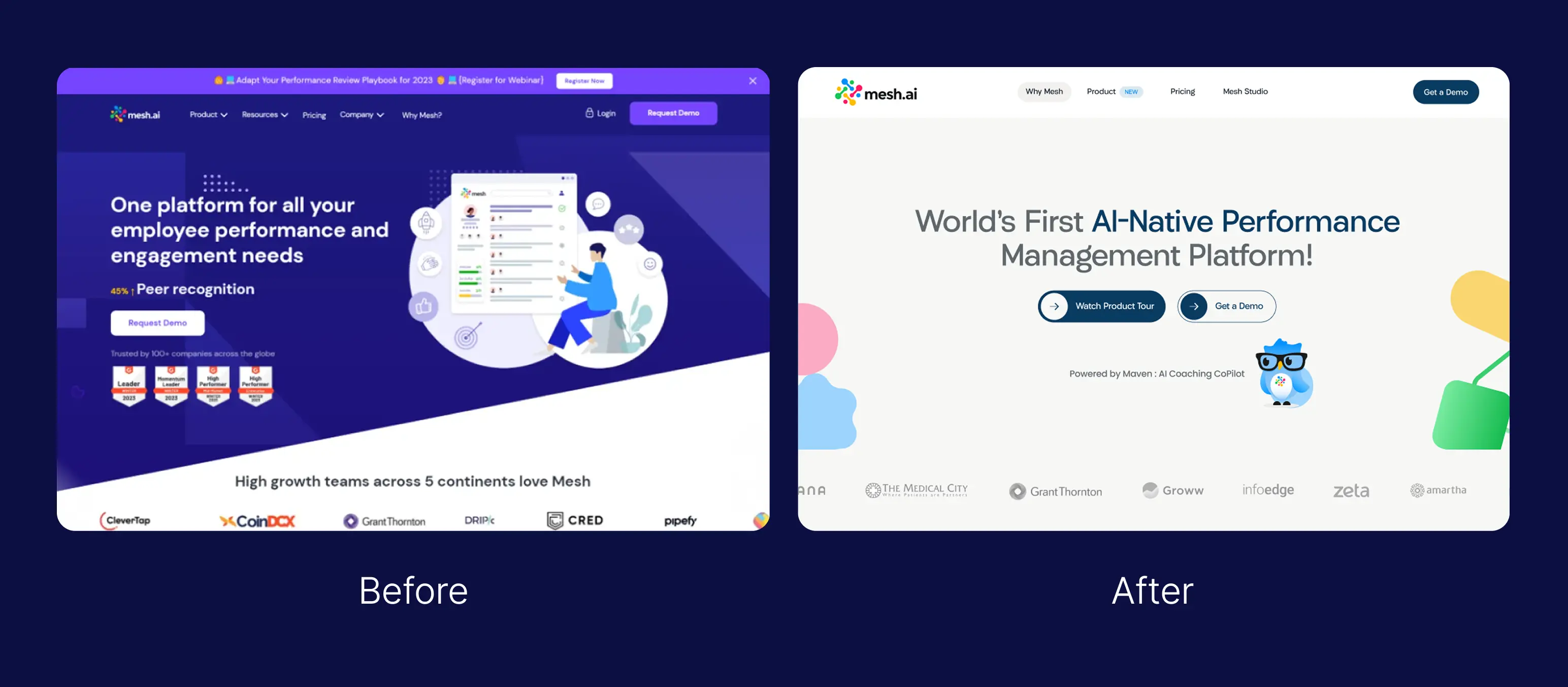
Old content gets reviewed. Outdated pages are cut. Overlapping content is consolidated. High-value pages are sharpened for clarity and conversion. The goal is a leaner site that performs better, not a bigger one that looks more complete.
Instead of designing pages one by one, a reusable system is built. Components, layout patterns, and visual rules that keep the site consistent as it grows. This is what separates a migration that lasts from one that needs redoing in a year.
The site is developed directly in Webflow, responsive across devices, CMS structured for ease of use, interactions implemented without compromising speed.
SEO equity doesn't transfer automatically. It needs to be protected deliberately through URL mapping, 301 redirects, metadata transfer, internal linking, and sitemap updates. When this is done properly, rankings are maintained. Often, they improve because the new architecture is cleaner than what it replaced.
The website is connected to your CRM, analytics, and marketing automation tools. Data flows correctly. Attribution doesn't break at launch.
Before anything goes live, the site is tested across devices, browsers, and user scenarios. Forms, CMS functionality, tracking, and performance are all validated. No surprises on launch day.
Your CTAs bridge the gap between interest and conversion. If they’re vague or hard to find, even engaged visitors won’t take the next step.
The one that could afford to wait two weeks for a landing page. The one that had one marketer and one campaign running at a time. The one where the dev team could absorb every content request without breaking stride.
That company is gone. The website should reflect that.
Migrating to Webflow isn't a technical upgrade. It's an operational decision, one that gives marketing teams back the speed and control the business actually needs to grow.
Because in modern B2B, a slow website isn't just a UX problem. It's a revenue problem.
If you want to see what this looks like in practice,

The journey’s just as exciting as the destination. So, what are you waiting for? Let’s hit the gas.