Webflow vs Claude Code: Who should actually own your website

Date
Jul 10, 2026
Time estimated
05
mins

A marketer's guide to picking the right tool — and the trap nobody talks about.

It's 11:47 PM. Your homepage is broken on Safari.

The marketer has tried four prompts in Claude Code. The hero section keeps shifting two pixels left every time the AI "fixes" it. There's a deploy queued. A redeploy after that. Somewhere in this loop, the founder has DM'd asking why the site is down.

Same problem. Two tools. Two very different Tuesday nights.

This is the comparison nobody is writing honestly. Most "Webflow vs Claude Code" posts read like spec sheets written by someone who has never had to update a pricing page on a Friday before a board meeting. We've shipped 80+ Webflow sites for funded SaaS and B2B companies. We've also dropped Claude-Code-assisted custom code into Webflow builds when Webflow couldn't get us where we needed to go. So this isn't theoretical.

Here's the real answer: the right tool depends entirely on who touches the site after you launch it. If you skip to the end of this piece, take that line and decide from it.

For everyone else, let's get into it.

TL;DR

  • Webflow and Claude Code solve different problems—one isn't a replacement for the other.
  • Claude Code is ideal for building products, prototypes, and custom applications that require backend logic and developer ownership.
  • Webflow is built for marketing websites, enabling marketers to launch pages, update content, and manage SEO without relying on developers.
  • The biggest difference is long-term ownership: Claude Code optimizes for fast development, while Webflow optimizes for ongoing marketing agility.
  • Many growing SaaS and B2B companies benefit from a hybrid approach—using Webflow for the marketing site and custom code only where advanced functionality is required.

What claude code actually is and where it genuinely wins

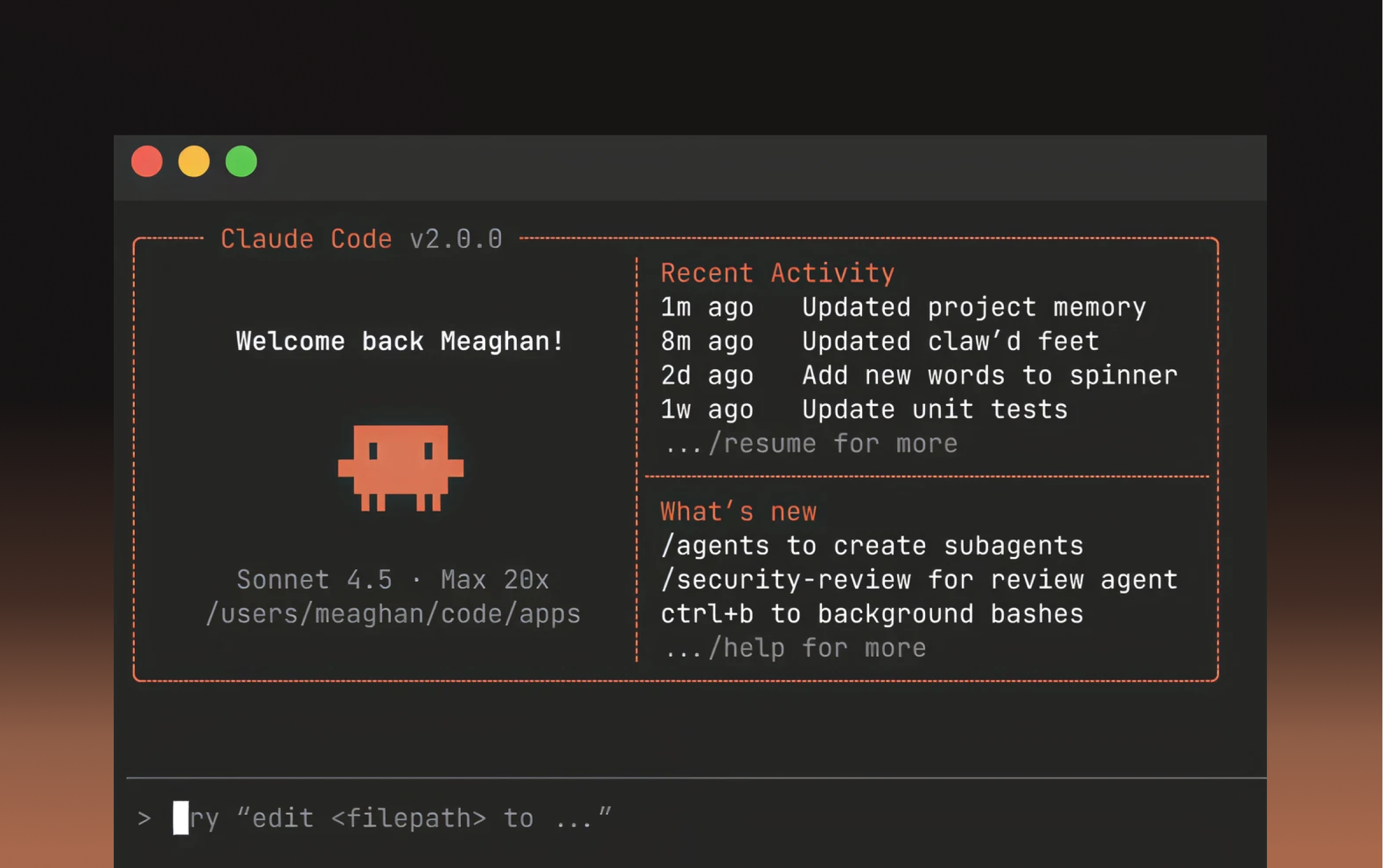
Claude Code is an agentic coding tool. You describe what you want, it writes the code, and you (or it) ship the code to a host like Vercel. The output is a real codebase you own, every line, every component, no platform lock-in.

This is genuinely powerful. Three places it's the right call:

Custom logic Webflow can't reach.

Configurators. Multi-step calculators. Anything where the page needs to compute, branch, or fetch real-time data with conditions, Webflow's visual logic can't express. Claude Code handles this without ceremony.

  • Building product, not marketing. If you're shipping the application customers log into, Claude Code is closer to your stack than Webflow will ever be. Webflow has no real backend, no server-side logic, no authentication system worth shipping production on.
  • Prototyping fast. A founder who can read code can take a Figma frame to a deployed prototype in a single evening. Webflow is fast, but for V1 with custom logic, Claude Code is faster.
  • Custom logic Webflow can't reach. Configurators. Multi-step calculators. Anything where the page needs to compute, branch, or fetch real-time data with conditions, Webflow's visual logic can't express. Claude Code handles this without ceremony.

Credit where it's due. The tool is real. The output ships. For a certain kind of project, it's the right answer.
What Webflow actually is — same honesty standard

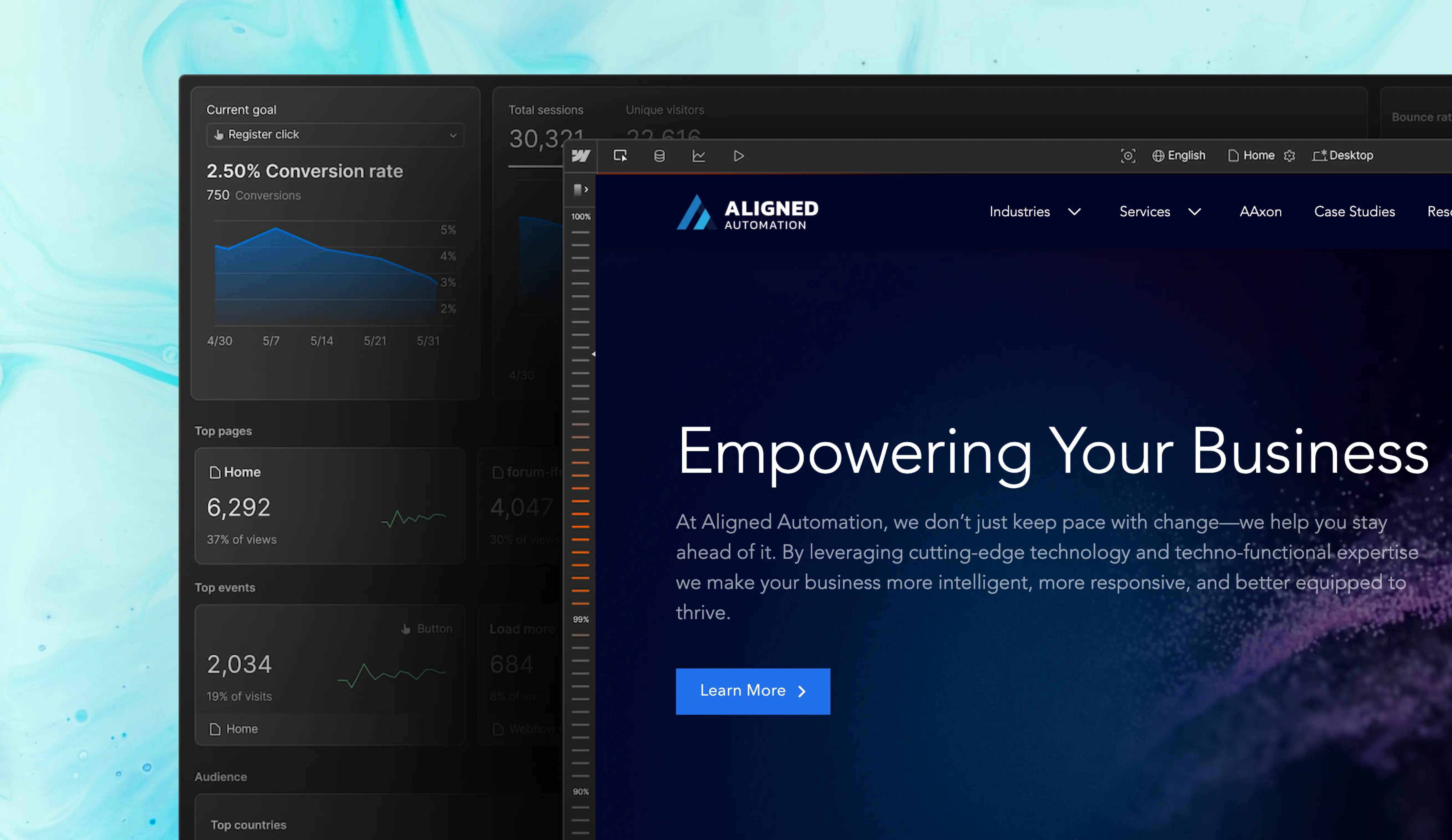
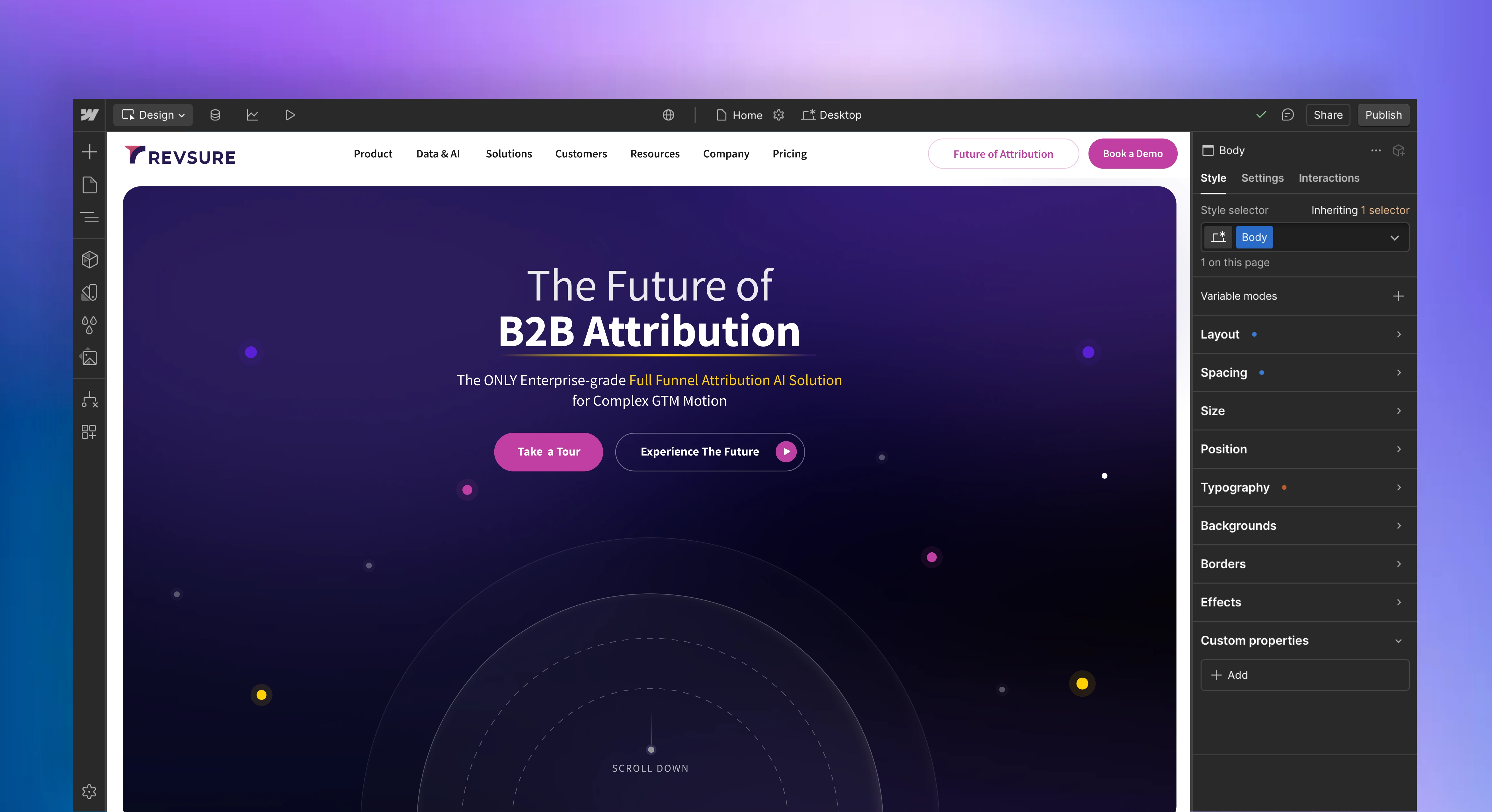
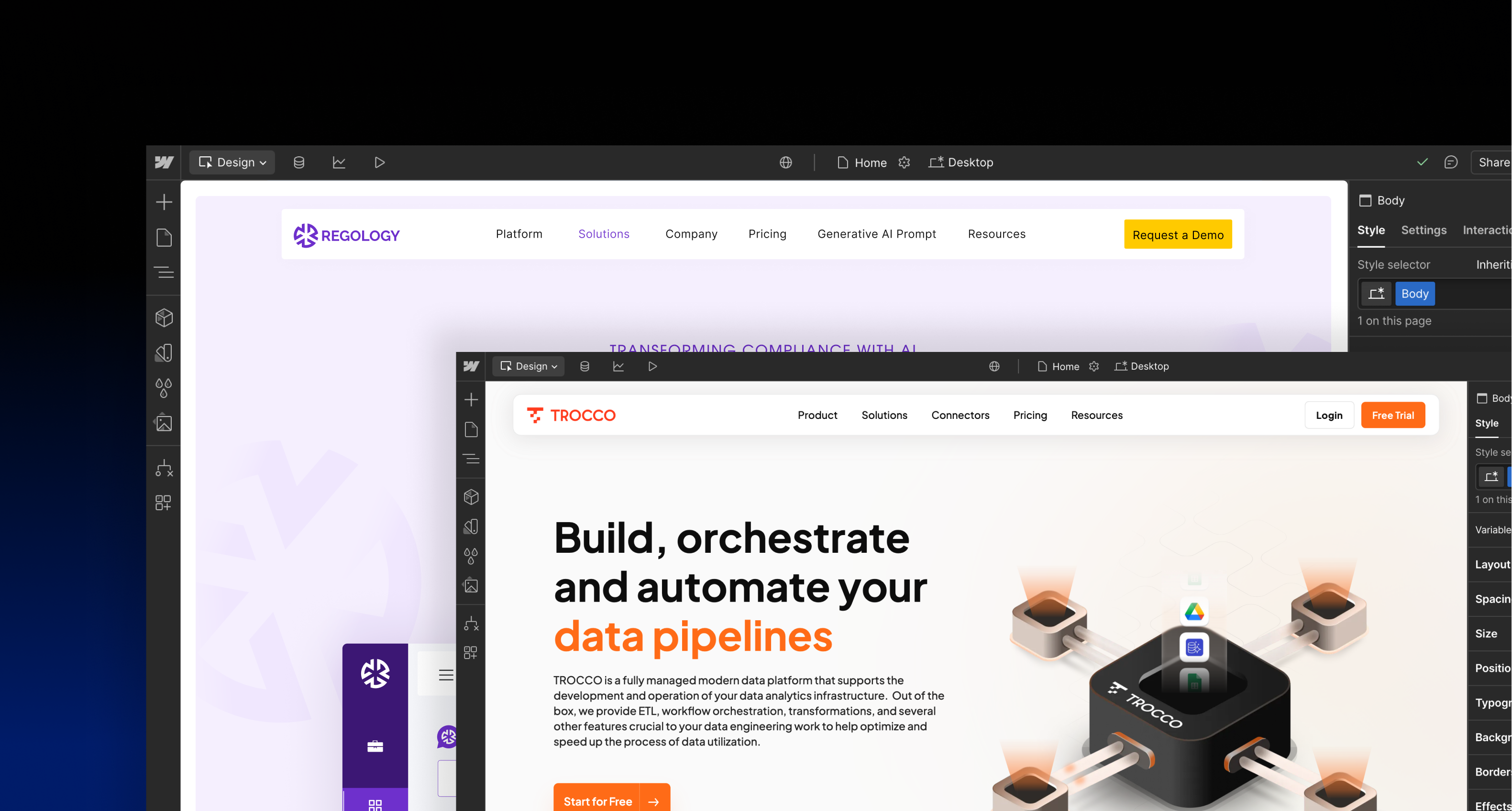
Webflow is a visual development platform. You design the site on a canvas, Webflow renders production-grade HTML, CSS, and JS, and hosts it. Designers can ship pages. Marketers can edit copy without filing a ticket. CMS Collections let a content team push a blog post live without touching code.

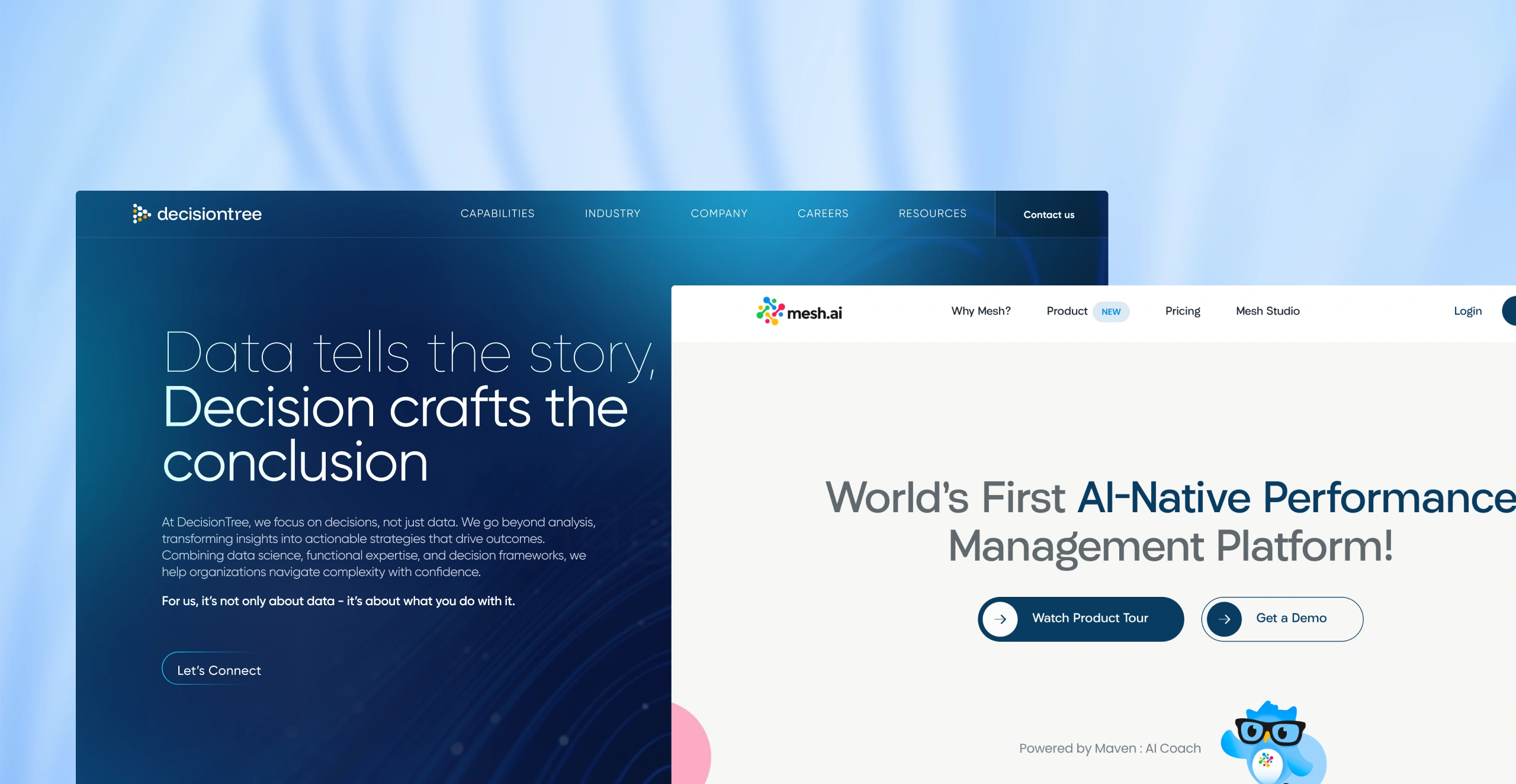
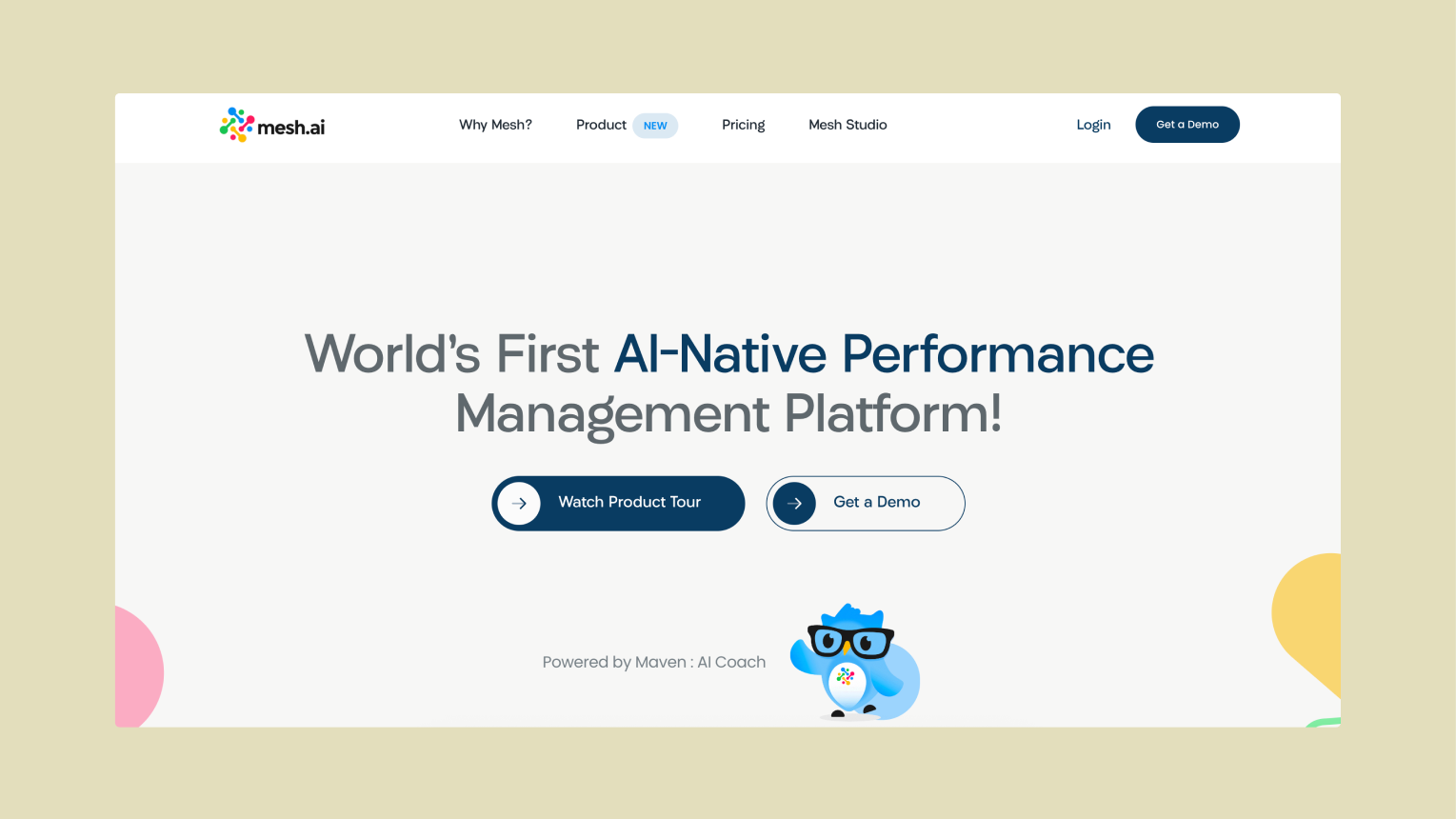
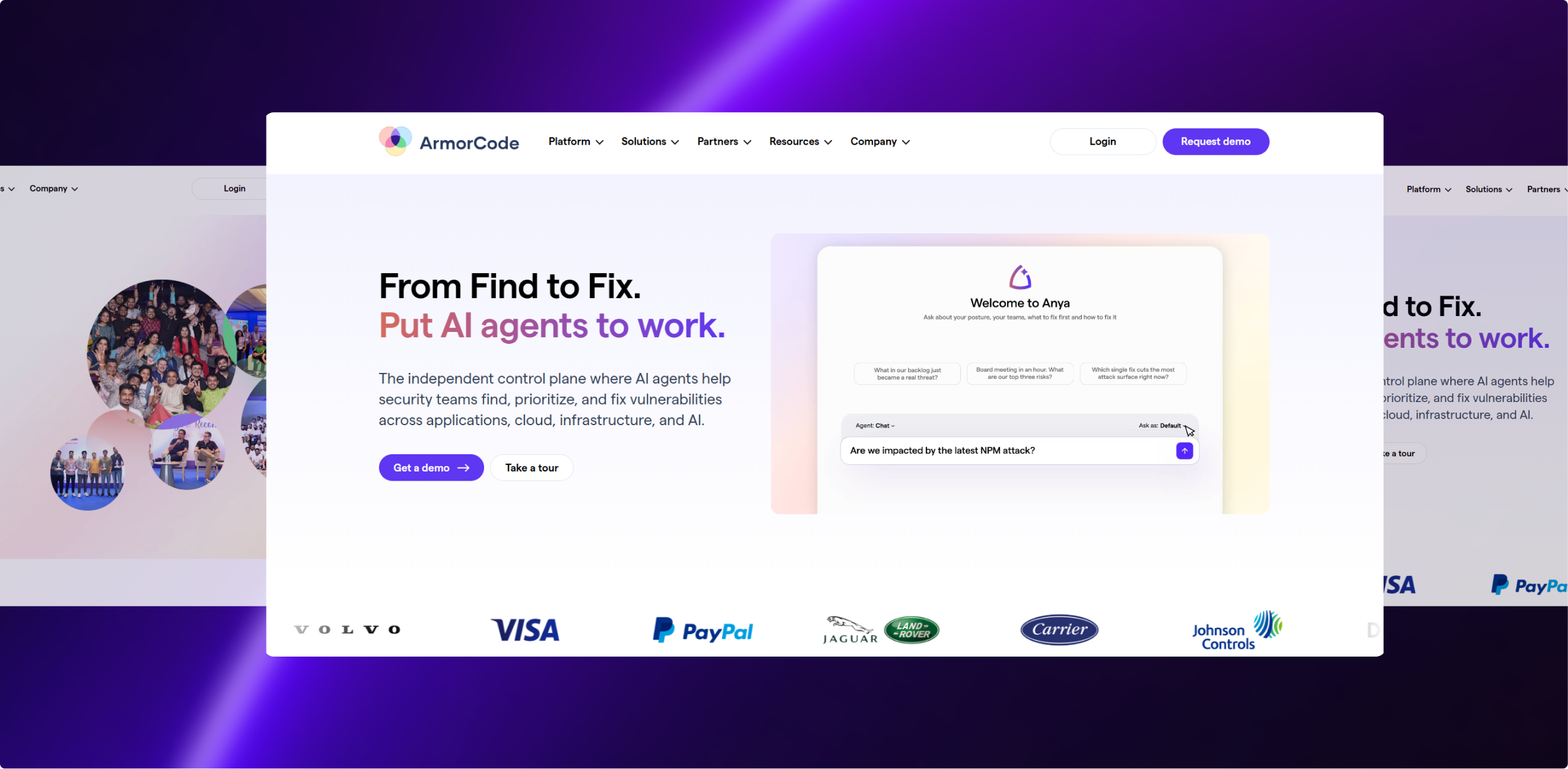
We've used Webflow to build sites with 100+ pages, WCAG AA compliance, multi-region rollouts, and enterprise-grade security headers. Apex CoVantage is one example in our portfolio. We've shipped for companies like Regology, SpotDraft, Trocco, ArmorCode and Mesh AI. Average GTM time across the last 80+ projects has been roughly 20% faster than the industry baseline.

These aren't claims. They're receipts.

Where Webflow earns its keep is the boring stuff that decides whether your marketing site stays alive past launch week: CMS that doesn't require a developer, a design system that holds across 50 landing pages, SEO and performance that don't degrade every time someone adds a section, and a publish button a marketer can press without breaking anything.
Side by side, where it actually matters

What you're judging Claude Code + Vercel Webflow
Speed to V1 Very fast if you can prompt and read code Fast, with templates and visual composition
Who can edit after launch A developer A marketer, designer, or content writer
Brand & design consistency across pages Depends on review discipline Held by reusable components and a design system
CMS for blogs, case studies, careers Build it yourself Built-in, scales to thousands of items
SEO, sitemaps, redirects, schema You configure it Native, with controls per page
Hosting & maintenance Vercel — Hobby is non-commercial, Pro is pay-as-you-go Included in site plan, predictable
12-month cost of ownership Variable. Depends on usage and dev hours Predictable. Scales with site size, not traffic spikes
Right for Founders, product teams, internal tools Marketers, brand teams, GTM-driven sites

The table is useful. It is not the answer.

The trap nobody is talking about

Here's what most comparison posts miss. They frame this as a tooling decision. It is not. It is an ownership decision.

Claude Code optimizes for the first 48 hours. Webflow optimizes for the next 480 days.

A marketing site is not a one-time build. It is a living asset. It gets a new pricing tier in March. A rebrand in May. Three landing pages for a launch in June. A careers section when the company crosses 50 people. A migration to a new analytics stack. Customer logos updated every quarter. A homepage hero swap when positioning evolves.

Every one of those changes inside a Claude-Code-built site routes through someone who can read and ship code. That person is rarely the marketer who needs the change. So the change waits. It waits for a Jira ticket. It waits for a sprint. It waits because the engineer who built it left and the new one doesn't trust the codebase. The site stops being a marketing asset and starts being a dependency.

Inside Webflow, the marketer makes the change, hits Publish, and moves on.

This is the trap: founders pick the tool that feels fast at week one and inherit a site that is slow at week 52. By the time anyone notices, the marketing team has shadow-built a Notion page to capture the things they couldn't ship.

You don't feel this on day one. You feel it every Tuesday for the next two years.

For technical founders: the question that actually decides this

If you're a founder reading this and you're tempted by Claude Code, here is the only question worth answering before you start:

Is your marketing site a product, or is it a marketing asset?

  • If it's a product — a configurator, a calculator, an interactive demo, something that has to behave like software — Claude Code is closer to the right tool. Ship it in code. Own the codebase. Hire engineering hours into the roadmap.
  • If it's a marketing asset — a homepage, pricing, case studies, blog, careers, an evolving GTM surface — Claude Code is the wrong layer. You will end up either bottlenecking your marketer through your engineering team or watching your engineer build a janky CMS so the marketer can self-serve. The janky CMS is Webflow. Webflow already built it. Use Webflow.
  • A small number of sites genuinely live in the middle. The configurator inside a SaaS marketing site. The ROI calculator on a pricing page. The product tour. This is where the hybrid lives, and it's where most comparison posts go quiet because they don't actually build sites for a living.

The hybrid nobody writes about

We've built it. Many times.

Webflow does the 90% - homepage, pricing, blog, case studies, careers, landing pages, the design system that holds it all together. Custom code (sometimes Claude-Code-assisted, sometimes hand-written) drops in for the 10% Webflow can't natively reach: a multi-step ROI calculator for a procurement client, an interactive product visualization, a logic-driven configurator on a pricing page.

The marketer still owns the site. The custom modules sit inside Webflow components, scoped, documented, and stable. When the marketer needs to update copy around the calculator, they update it themselves. When the calculator's underlying logic changes, that's a small, contained engineering task — not a rebuild.

This is the part you cannot get from a tool-vs-tool comparison post, because it requires having actually built sites that needed both.

How to decide in 30 seconds

Use Claude Code if:

  • The site is a product, not marketing
  • A developer will own ongoing updates
  • You need backend logic Webflow can't run
  • You're a founder shipping a V1 and you'll rebuild in 6 months anyway

Use Webflow if:

  • A marketer needs to ship pages without a ticket
  • You're scaling to 30+ pages, multi-region, or a CMS-heavy site
  • Brand consistency across pages is non-negotiable
  • The site has to perform on SEO and Core Web Vitals from day one

Use both if:

  • Your marketing site needs 1–3 custom interactive modules
  • You want marketer-owned content with engineer-owned logic
  • You don't want to compromise either

What our clients have actually said

None of these companies could have shipped what they shipped, at the speed they shipped it, with their marketing teams in the driver's seat, on a code-first stack. That isn't a knock on Claude Code. It's a clarity about what marketing sites need.

Our take, plainly

We build in Webflow because the marketers who hire us are not trying to own a codebase. They are trying to ship a brand, fast, and keep shipping it for the next three years without filing tickets.

Claude Code is genuinely good at what it does. If you are a technical founder building a product, use it. If you are a marketer at a Series A SaaS company who needs a homepage that converts, a pricing page you can update yourself, and a CMS your content writer can run, you do not need a code generator. You need a Webflow team that knows how to design for B2B SaaS and knows where to drop in custom code when Webflow can't reach.

That's the work we do.

Author

Soumya Dheeman Kar

FAQs

Can I migrate from a Claude Code-built website to Webflow later?

Yes, but the effort depends on how your website was built. Static marketing pages can often be recreated in Webflow without major issues, while applications with custom backend logic, authentication, or complex functionality typically need to remain code-based. Many businesses choose to move only their marketing website to Webflow while keeping their product on a separate codebase.

Is Webflow or Claude Code better for SEO?

Both can support strong SEO, but the experience is very different. With Claude Code, your team is responsible for implementing and maintaining technical SEO features like metadata, redirects, structured data, sitemaps, and performance optimization. Webflow includes many of these capabilities out of the box, making it easier for marketing teams to manage SEO without relying on developers.

Should startups build their marketing website in Webflow or Claude Code?

It depends on who's responsible for the website after launch. If engineers will continue owning and updating the site, Claude Code can be a good fit. If marketers need to publish landing pages, update content, launch campaigns, and make regular changes independently, Webflow is usually the more scalable choice for long-term marketing operations.

Can Webflow and Claude Code be used together?

Absolutely. Many companies use Webflow for their marketing website while embedding custom functionality developed with Claude Code where needed. This hybrid approach lets marketers manage content and design in Webflow while developers build advanced features like ROI calculators, product configurators, interactive demos, or custom integrations.

Which is more cost-effective: Webflow or Claude Code?

The answer depends on the total cost of ownership, not just the software subscription. Claude Code may help reduce development time initially, but ongoing updates often require engineering resources. Webflow has predictable platform costs and allows marketers to manage many website updates themselves, which can significantly reduce long-term maintenance costs for marketing websites.

Related Articles

Ready to start the project?

The journey’s just as exciting as the destination. So, what are you waiting for? Let’s hit the gas.

Get an AI perspective
helicap logo
helicap logo
helicap logo
helicap logo